Importance of Regular Carpet Cleaning for Healthy Homes

Your ultimate goal is to lead a healthy lifestyle, which always starts by keeping your home clean. However, this becomes a time-consuming and hectic chore with many things to look out for regularly. 

Dust travels along in the air, and most of it settles on the floor. Of course, it settles on your elegant carpet, too! Clean-up becomes more challenging if you have wall-to-wall carpeting on the floor.

Dirty carpets often worsen the condition of indoor air. They are also among the leading causes of breathing and allergic reactions. In this post, we will learn the importance and services available for carpet cleaning in Toledo, Ohio.

How Can Regular Carpet Cleaning Safeguard Your Health?

It may be easy for you to overlook carpets’ role in maintaining a healthy home environment in the hustle and bustle of daily life. However, carpets can attract various allergens, bacteria, and pollutants that often pose risks to our health. 

Regular carpet cleaning is essential to safeguard your family’s health. Some of the benefits of connecting with a service for carpet cleaning in Toledo, Ohio, are as follows: 

1. Relief from Allergen Control

Carpets can be a source of constant discomfort for individuals with allergies. Dust mites, pet allergens, and pollens trapped in carpet fibers can often trigger allergic reactions. As a result, you may experience sneezing and itching. There may also be severe symptoms, like asthma attacks. 

Hence, regularly cleaning carpets can reduce allergen levels and minimize the risk of allergic reactions. This ultimately provides relief for allergy sufferers in your household.

2. Minimal Bacterial Contamination

Carpets often harbor bacteria and germs that pose various health risks, especially in households with pets or young children. Bacterial contaminants can contribute to illnesses like the flu, cold, and gastrointestinal infections. 

Regular cleaning and sanitization can eliminate harmful bacteria from your carpets. It helps create a safer environment for your family to thrive in the future.

3. Preventing Pet-Related Concerns

Pets bring companionship and joy to our lives. Yet, these animals may create additional challenges regarding carpet cleanliness. Pet shedding, accidents, and dander may soil carpets and create odors that are not tolerable inside living spaces. 

Getting any service for regular carpet cleaning in Toledo, Ohio, can remove pet stains and odors from the carpets. It also helps eliminate allergens associated with pet dander. This promotes a healthier living environment for both pets and humans alike.

4. Maintaining Indoor Air Quality

Carpets often act as a filter for indoor air because they trap airborne particles and pollutants circulating within your home. However, the same carpets can become saturated with contaminants if not cleaned regularly. This means they may compromise the quality of indoor air, too. 

You can prevent pollutants from accumulating in your carpets by investing in services for regular carpet cleaning in Toledo, Ohio. This further helps improve the indoor air quality within your home.

Also Read: The Benefits of Green Carpet Cleaning for Toledo Families

5. Long-Term Health Benefits

Regular carpet cleaning offers long-term health benefits for you and your family. Reducing exposure to harmful pollutants and allergens can lower the risk of developing chronic health conditions. This will also help improve the well-being of your loved ones. Investing in preventive measures, like regular carpet cleaning, enhances your family’s health and quality of life.

6. Getting Rid of Dust Mites

Dust mites live in carpets mainly because they provide a wide area for breeding purposes. The presence of these organisms often triggers asthma and allergy attacks in human beings.

Steam cleaning your carpets regularly is the ultimate way to rid yourself of these sickness-causing bugs. Another benefit of vacuuming and mopping your carpets regularly is that it helps keep surface dust in check. You can rent a vacuum machine or hire a professional carpet cleaning service in Toledo, Ohio, to remove all the dust.

7. Enhanced Comfort and Longevity

Walking on cleaner and softer carpets is much more comfortable than walking on worn-out, dirtier ones. Clean carpets provide you with a cozy and inviting atmosphere. This further enhances the comfort of your home for all the family members and guests alike.

Dirt, debris, and oils from foot traffic can wear down carpet fibers over time. This causes them to become matted and dull.  Therefore, opting for regular carpet cleaning in Toledo, Ohio, extends the life of your carpet, too.  

8. Your One-Stop Solution for Carpet Cleaning!

Carpets are an inevitable part of your living space, especially the indoors of the house. Hence, it is your responsibility to keep them neat and clean regularly. This guide has already discussed the benefits of regular carpet cleaning.

Sometimes, you may need more time to do these tasks regularly. The best thing to do here is to approach a specialist in carpet cleaning in Toledo, Ohio. One such platform is Sparkling Clean Carpet Care. Contact our experts today and schedule your next carpet cleaning session with us!

Also Read: How Often Should You Clean Your Carpets? Factors That Affect Cleaning Frequency?
How To Protect Your Home From In-Home Floods?

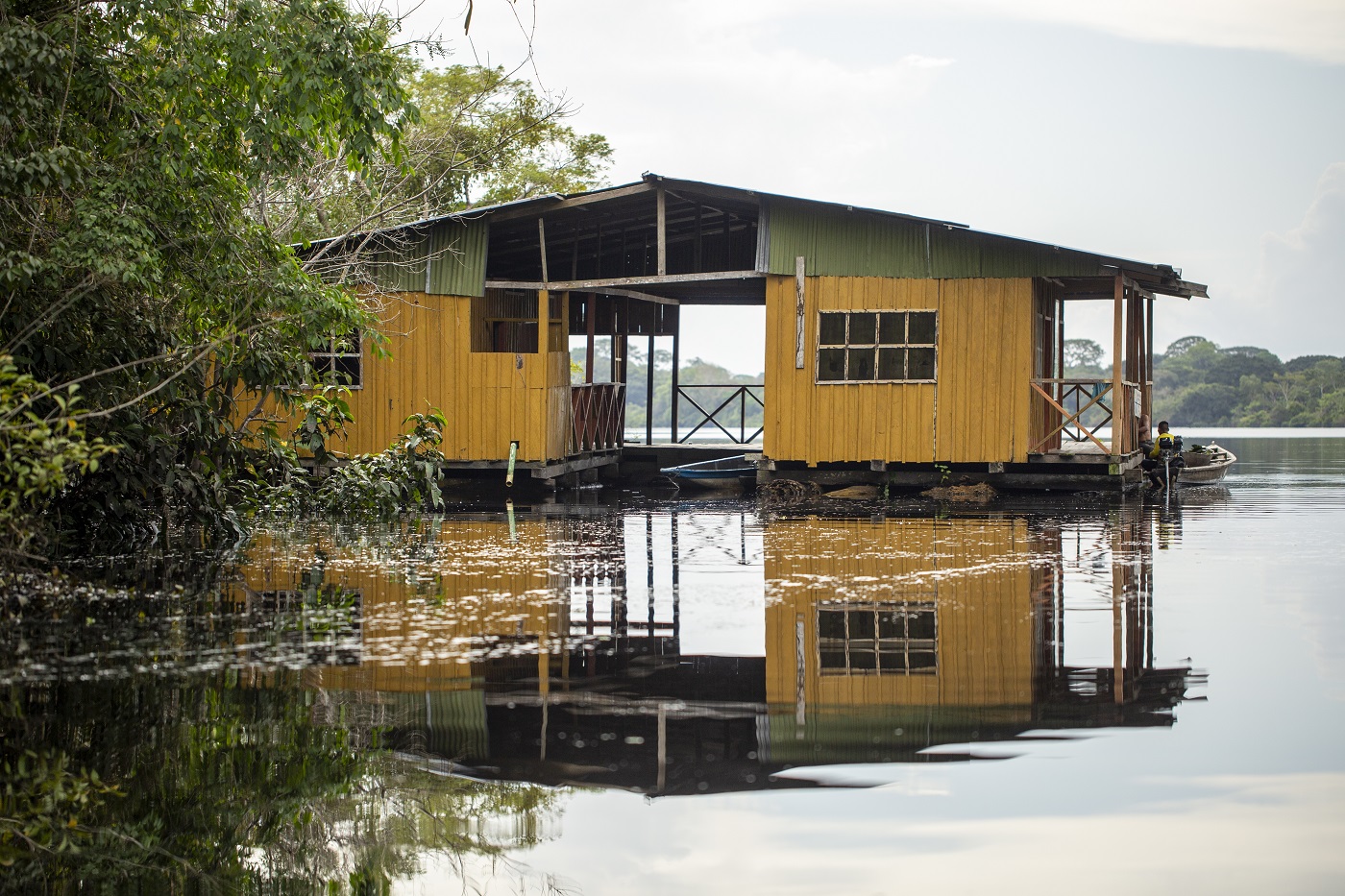
Toledo, Ohio, is beautiful, but did you know that 9,374 homes here could be seriously flooded in the next 30 years? That’s about 17% of all the houses in Toledo! So, it’s so important to protect your home from floods. This article will explore simple ways to keep your house safe from water damage in Toledo, Ohio. Whether you’re considering buying a home here or already living in Toledo, these tips will help you stay dry and comfortable, no matter what. Let’s get started!

9 Ways To Protect Your Home From In-Home Floods

Toledo is one of the most flood-prone areas in the world. If you are someone looking to establish here, consider these ways to protect your home from water damage in Toledo, Ohio, caused by heavy floods:

1. Get flood insurance

Consider obtaining flood insurance even if your house is not in a high-risk flood area. Even if your property is in a moderate-to-low-risk area, your mortgage lender may insist you obtain flood insurance. While flood insurance can be purchased anytime, it will not take effect until 30 days after you pay your premium. It is one of the most effective ways to safeguard your home from water damage in Toledo, Ohio.

2. Install a battery-powered sump pump

A sump pump will transport excess water from your basement to a dry well or storm drain. Sump pumps require electricity to function, so it’s a good idea to install a battery-powered backup to ensure the pump continues working even if the power goes out. It’s a good investment to help protect your property against flooding or at least reduce the damage. The easiest way to stop seepage through gaps in basement walls is to seal them with a waterproofing compound before a flood.

3. Invest in flood sensors

One proactive way to reduce flood damage is via flood sensors. They are installed throughout your home and will notify you when water is detected in an area that should be dry, such as the basement. A flood sensor will allow you to respond swiftly to a flood. It will also alert you to other situations that could result in significant water damage, such as a damaged pipe or an overflowing washbasin. Adding flood sensors to your home automation or security system is just one more way to keep your house safe from flooding. 

4. Add barriers or sandbags around your home

If local building codes allow it, you can install walls around your home’s perimeter.  Beams, levees, and floodwalls can help prevent floodwaters from accessing your property. Place sandbags around your doors if permanent barriers are not an option for protecting your home from water damage. It is a very cheap and effective way to safeguard your home from water damage in Toledo, Ohio.

5. Install an automatic shutoff valve and a check valve

When put in a strategic location, an automated shutoff valve can help prevent significant flood damage to your property. When a flood sensor is activated, a computerized shutdown valve near your home’s primary water inlet turns off the main water supply. They are battery-powered, and owing to wireless technology, no wires connect the flood sensors to the automated shutdown valve. 

6. Elevate the water heater and major appliances

To prepare for a flood, ensure your water heater, furnace, and other appliances, such as the washing machine and dryer, are at least one foot above the ground. You can use a temporary solution, such as putting them on cement blocks and supporting them with sandbags, plywood sheets, or other obstacles. Alternatively, you can choose a more permanent alternative, such as a cement pedestal. 

7. Create an emergency flood plan and home inventory list

Floods can happen suddenly, giving homeowners little time to organize an escape. Creating and practicing a flood escape strategy with your family semi-annually is critical. Members of your household should know where they can go if they cannot go home due to flooded roadways. If you do not have a home inventory, now is the time to start one. 

Ensure you have your valuables’ purchase date, approximate worth, and documentation to streamline the flood insurance claim procedure. A house inventory list can be created as a written copy, a digital list, or a visual recording such as a video or photographs. Keeping your loved ones safe from water damage in Toledo, Ohio, is essential.

8. Safeguard necessary paperwork

Collect any information you may require during and after a flood, then store it in a waterproof document container. Include a copy of your flood insurance policy and your insurance provider’s contact information. Include copies of any relevant documents, such as the deed to your home, birth certificates, and health insurance cards. It’s also crucial to have electronic copies that you can access securely in case the paper copies are lost. 

9. Put together an emergency kit

Now that you’ve created an emergency flood plan and secured essential documents, it’s time to assemble an emergency pack. In addition to first-aid materials, your family emergency pack should include the following:

  • MREs (meals, ready-to-eat)
  • Canned food
  • Bottled water.
  • Blankets
  • At least one torch with additional batteries.
  • Change of clothes for each household member.
  • Toiletries and necessary prescription drugs

Conclusion About Home Floods

In conclusion, safeguarding your home from in-home floods in Toledo, Ohio, is crucial for ensuring peace of mind and preserving your property. By implementing simple preventive measures and staying prepared, you can minimize the risks and keep your home safe and secure for years.

Water damage in Toledo, Ohio, can damage your home internally. That is when water damage restoration services play their role. For water damage restoration services, contact Sparkling Clean Carpet Care. Don’t let water damage compromise your health—ensure a safe home today with our expert assistance!

Also Read: Tile And Grout Cleaning Toledo, Ohio.

How to Tackle Water Damage: A Step-by-Step Restoration Guide?

Even though water is essential for life, it may cause chaos in our houses when it enters without warning. Safeguarding our sanctuaries requires an understanding of water damage and restoration. Natural calamities and ruptured pipelines can have disastrous effects. This enlightening tutorial will explore the subtleties of water damage, its causes, and the crucial restoration stages. Preparing for any situation—a small leak or a large flood—will help you recover quickly and effectively. To ensure that your house remains a sanctuary of comfort and safety, continue reading to learn about water damage in Toledo, Ohio, and restoration.

What is Water Damage Restoration?

Water damage restoration involves restoring the property to its former condition before water intrusion. The procedure involves extraction, dehumidification, cleaning, and, if necessary, reconstruction. While water damage restoration does not often require certification, it is best completed by a water damage restoration specialist like the experts at Sparkling Clean Carpet Care, who are equipped with the necessary tools and skills.

Importance of Water Damage Restoration

Water damage restoration is crucial because structural damage might result from water damage, rather than the cause. Water damage and structural damage are inextricably linked, and the presence of one frequently signals the presence of the latter. Water damage to walls, ceilings, and floors can cause them to collapse.

Ignoring water damage or failing to respond quickly enough can result in long-term health hazards from mold, germs, and pests. Minimizing the relevance of water damage restoration reduces the talent, knowledge, and experience required for the job and puts building inhabitants’ lives in danger.

Main Causes of Water Damage

The first step in addressing an issue is figuring out what caused it in the first place. Knowing the principal causes of water damage can assist repair specialists in quickly identifying the source while assessing a home. The primary sources of water damage are the following:

  • Condensation from the air conditioning unit
  • Natural calamities (e.g., fire) and wet weather
  • Rubber or PVC water supply lines. 
  • Damaged household appliances.
  • Clogged drains and gutters
  • Septic tank and sewer backups
  • Burst or leaking pipes
  • Old or defective water heaters
  • Sprinkler system failures and toilet overflows. 
  • Heavy Flood
  • Inoperable sump pumps
  • Poor roof water drainage.

How to Restore Water Damage?

Step 1: Perform a water damage inspection

The professional does a water damage inspection or assessment to determine the water source, the category of water contamination, and the level of damage.  As previously stated, the water supply significantly impacts the cause of water damage. 

However, even if you know what caused the water damage, it may be difficult to pinpoint the source of the water. After finding and interrupting the flow of the water source, the professional will determine the type of water contamination.

Identifying the water pollution category will assist the specialist in determining the scope and type of decontamination required later. The third step in the inspection is determining the type of water damage. 

Fibre-fill insulation, carpet, gypsum board, Concrete Masonry Units (CMU), and textiles are wet, porous materials. Plaster, wood, concrete, and masonry are all low-evaporation materials. Identifying the water damage class is critical since it determines the drying and dehumidification required later.

Step 2: Extract Standing Water

Extraction is particularly important when a property has a flooded basement because it removes standing water (also known as stagnant water). Submersible pumps and industrial vacuums are two examples of extractors. After standing water has been removed, surface water can be retrieved using portable wet/dry vacuums. 

The expert may also use a moisture meter or an infrared thermal camera to find concealed pockets of saturation beneath floorboards or behind walls. Residual surface water may remain even after vacuuming.

Step 3: Dry and dehumidify the affected areas

To dry and dehumidify impacted areas, the professional will utilize heavy-duty fans (including air movers) and commercial-grade dehumidifiers as they would for water extraction. In addition to this equipment, the professional may open windows and doors to promote air circulation. However, drying and dehumidification will typically take longer than water removal, particularly if the water damage is Class 3 or 4 and involves the removal of portions of the walls and/or floors.

Step 4: Sanitise and thoroughly clean every surface.

Before beginning mold remediation, the professional must don Personal Protective Equipment (PPE), which includes an N95 mask, gloves, goggles, rubber boots, and disposable clothing or protective dungarees. During sanitation, the professional will utilize equipment such as a High-Efficiency Particulate Air (HEPA) vacuum, an air scrubber, and other negative air machines, just as they would for extraction and dehumidification. 

Step 5: If required, repair and reconstruct

The expert will remove components that cannot be saved at the last stage of water damage restoration (e.g., plasterboard below the flood line, low to medium-density trim boards, carpet padding). Although they can be deep cleaned, carpets will probably need replacing. Repairing the plasterboard and reusing the wooden trim boards is sometimes possible. 

Reconstruction, however, can also be required, particularly if a natural calamity is the source of the water damage. A comprehensive and successful restoration strategy can be ensured by adhering to a few simple water damage restoration regulations, even though the process can occasionally be somewhat complicated. It is the last but one of the major stages of water damage and restoration. 

Conclusion

Water damage restoration is crucial to safeguarding your home from structural harm and health hazards. Properly addressing water damage , can prevent mold, germs, and structural collapse. Trust experts like Sparkling Clean Carpet Care for thorough restoration services!

Also Read: How Professional Tile And Grout Cleaning Revives Toledo Kitchens And Bathrooms